
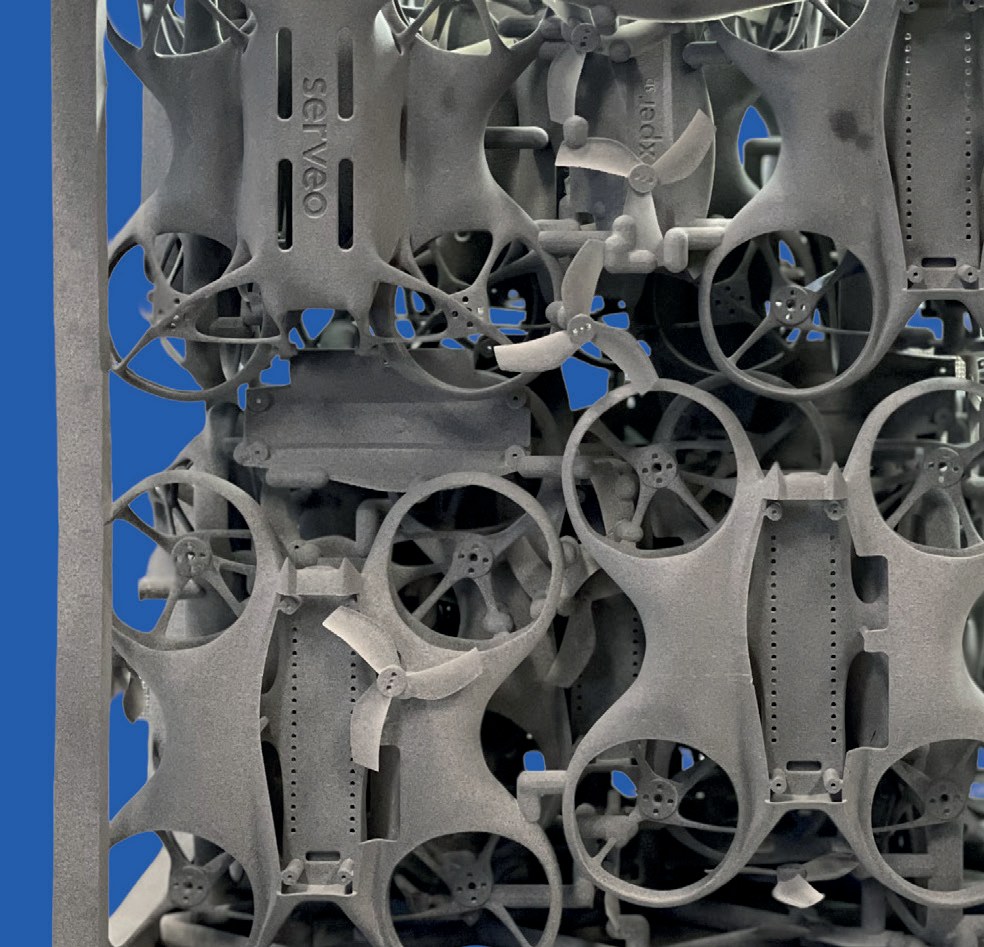
Industrial 3D printing case study: how Serveo uses HP Multi Jet Fusion to build twenty drones in a single build.
Project details:
Service: HP Multi Jet Fusion (MJF)
Industry: Industrial inspection
Client: Serveo
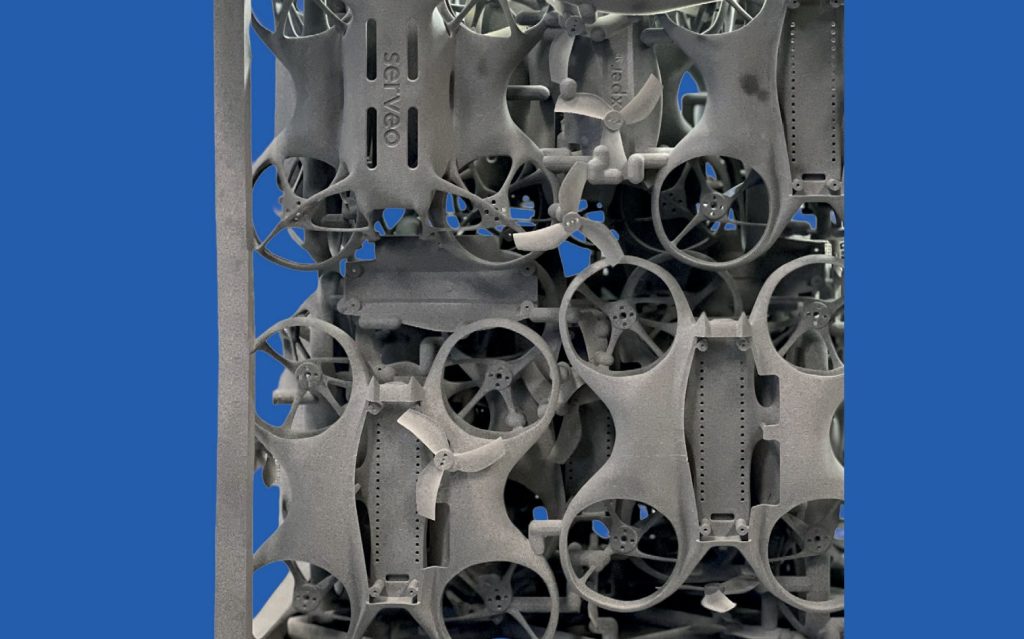
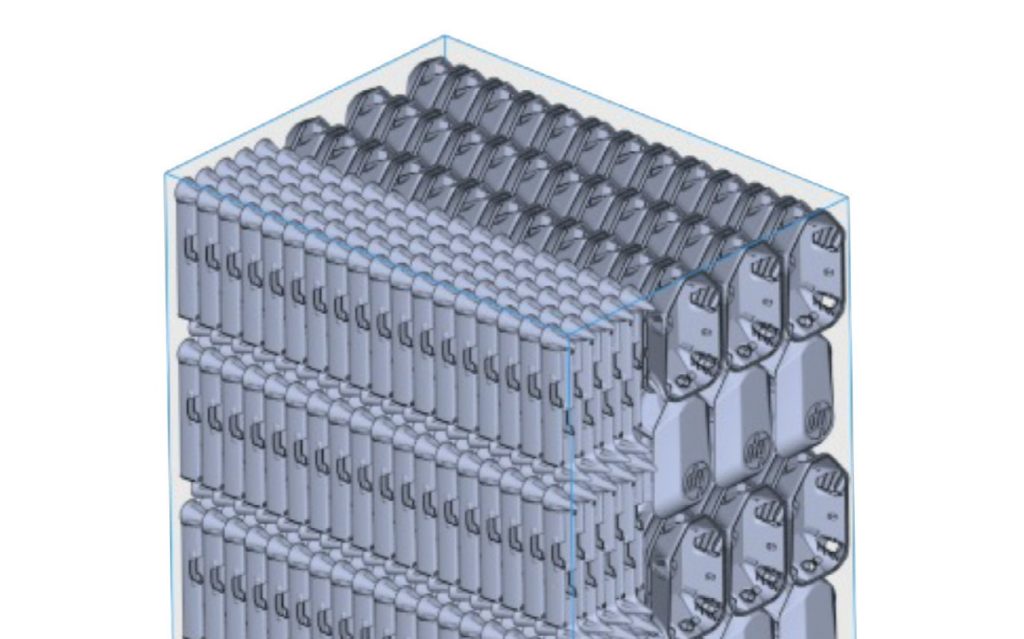
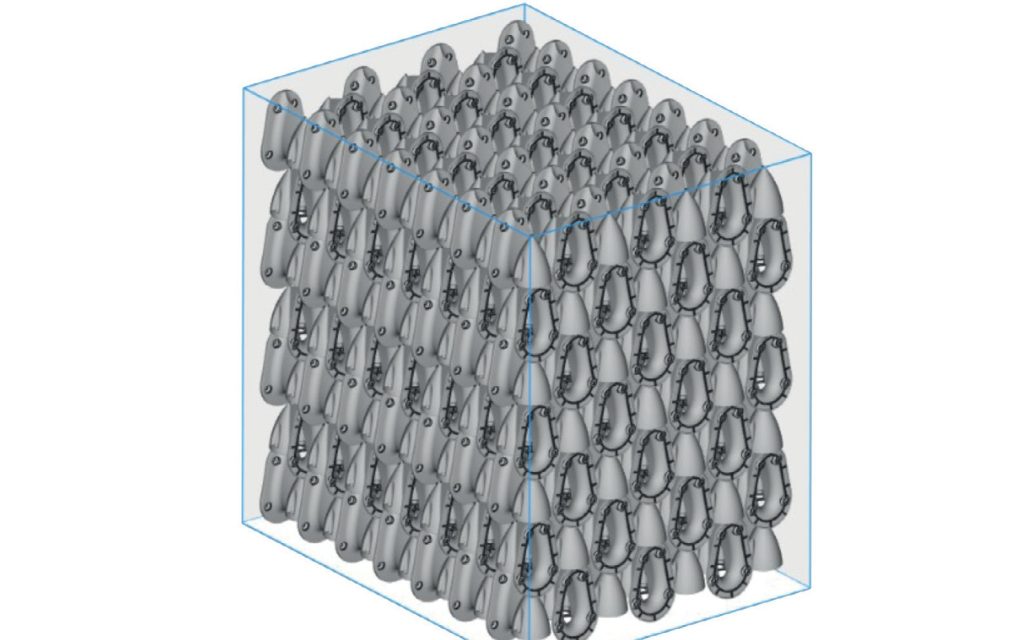
This case study explores how Serveo produces custom quadcopters for industrial inspections using HP Multi Jet Fusion. By nesting components densely within the build volume, a single build yields enough parts for twenty drones — top shells, bodies and critical components. Running two cycles a day, Serveo combines speed, precision and scalability to produce up to forty fully functional drones daily, without tooling. Data courtesy of Serveo.
The challenge
Custom drones at a volume that tooling cannot justify
Industrial inspection work rarely calls for one drone in one configuration. Customers need aircraft adapted to the asset being inspected, which pulls a manufacturer towards customisation at exactly the point where conventional manufacturing punishes it. Injection moulding rewards volume and sameness: each variant needs its own mould, each mould carries an upfront investment, and the breakeven quantity has to be reached before a part is economic at all.
That leaves a manufacturer choosing between committing capital to tooling it may not amortise, or accepting lead times and per-part costs that make a customised fleet unviable. Other additive technologies struggle in a different way, losing speed, consistency or cost efficiency as volumes climb.
The solution
Density in the build, not investment in tooling
HP Multi Jet Fusion is built for on-demand manufacturing at scale, and the economics come from how efficiently the build volume is filled. Because MJF needs no support structures, parts nest tightly against one another, and elongated or volumetric shapes can be arranged with high packing efficiency — which streamlines production time and lowers cost per part.
Serveo applies this to whole aircraft rather than single components. One build produces the top shells, bodies and critical parts for twenty drones. Two cycles a day take that to forty fully functional units, with no moulds to cut, no bottleneck between design and production, and no minimum quantity to justify before a variant becomes economic. Whether the requirement is one part or thousands, the process is the same.
In numbers
0
fully functional quadcopters produced daily across two build cyclesNo tooling
removing upfront investment and mould lead times
One part or thousands
the same process, the same quality
The aircraft
Serveo
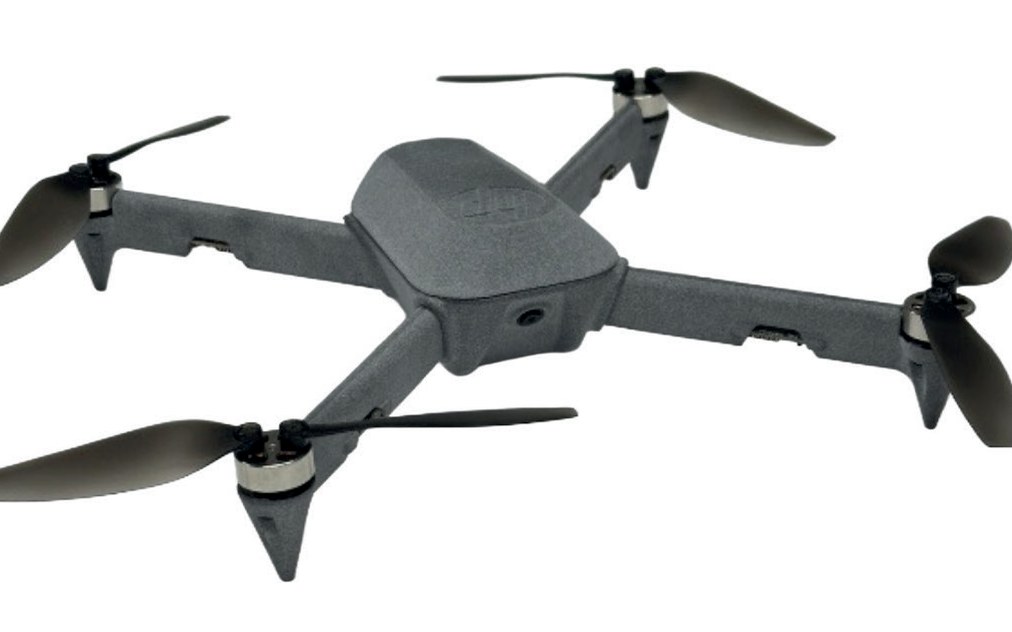
XperDron quadcopter
- Custom drones built for industrial inspection work
- HP MJF used for top shells, bodies and critical parts
- A single build produces enough components for twenty drones
- Two build cycles a day, up to forty fully functional units
- Customisation without the cost of variant-specific tooling
Project gallery
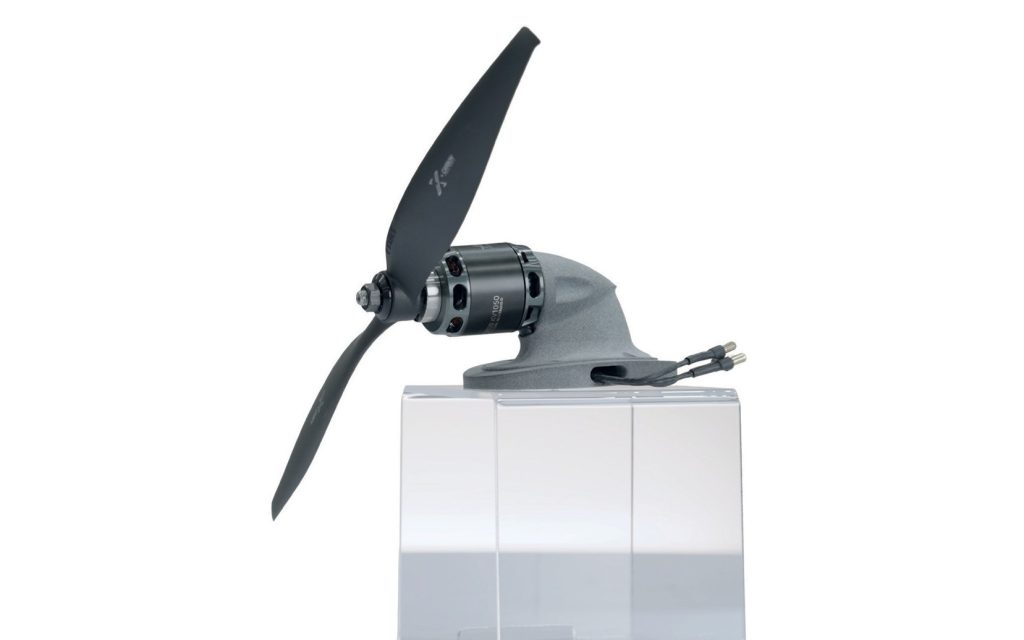
Scaling without committing to a mould
Serveo’s model depends on a manufacturing process where volume and variety are not in tension. That is the shift MJF makes possible: capacity comes from how well the build volume is used rather than how many identical parts a mould can justify. AMufacture supports UK manufacturers making the same move, combining 24/7 MJF capacity with end-to-end traceability and design support, so production can scale on demand rather than on a tooling schedule.
Download our whitepapers
In collaboration with HP, we’ve developed a series of papers that dive deep into MJF’s transformative drone-manufacturing capabilities.
Have a project in
mind?
If you have any questions about our services or would like to discuss your project with us, please don’t hesitate to contact us.

"*" indicates required fields